LeadBoba vs HubSpot: Which Platform Is Better for B2B Lead Generation and Sales Growth in 2026?
HubSpot helps you manage and nurture the leads you already have. LeadBoba helps you find new leads in the first place. Here's an in-depth look at how an all-in-one inbound CRM platform compares to an outbound-focused B2B lead generation platform.
Managing leads you have vs. finding leads you don\u2019t
Modern businesses need effective systems to attract prospects, manage relationships, and increase sales. However, customer acquisition can happen in two different ways. Some companies focus on inbound marketing: creating content, capturing website visitors, managing existing contacts, and nurturing leads. Other companies focus on outbound sales: finding potential customers, building prospect lists, sending personalized outreach, and creating new business opportunities.
HubSpot and LeadBoba both help businesses grow, but they focus on different parts of the sales process. HubSpot is an all-in-one CRM and marketing platform designed to manage customer relationships, marketing campaigns, sales pipelines, and customer support. LeadBoba focuses on outbound B2B lead generation by helping businesses discover companies through Google Maps and websites, collect accurate business information, organize prospects, generate AI-powered emails, and manage outreach.
What is HubSpot?
An all-in-one customer platform that combines CRM, marketing automation, sales tools, customer service features, content management, and analytics.
- Contact management
- Email marketing
- Marketing automation
- Sales pipelines & deal tracking
- Landing pages & forms
- Reporting dashboards
What is LeadBoba?
A B2B lead generation and sales workflow platform designed to help businesses discover, organize, and contact potential customers.
- Google Maps business search
- Website crawling & data extraction
- CRM pipelines & lead notes
- AI-powered cold emails
- Gmail integration
- Lead performance analytics
The key difference: HubSpot helps businesses manage and nurture leads they already have.
LeadBoba helps businesses find new leads and start conversations.
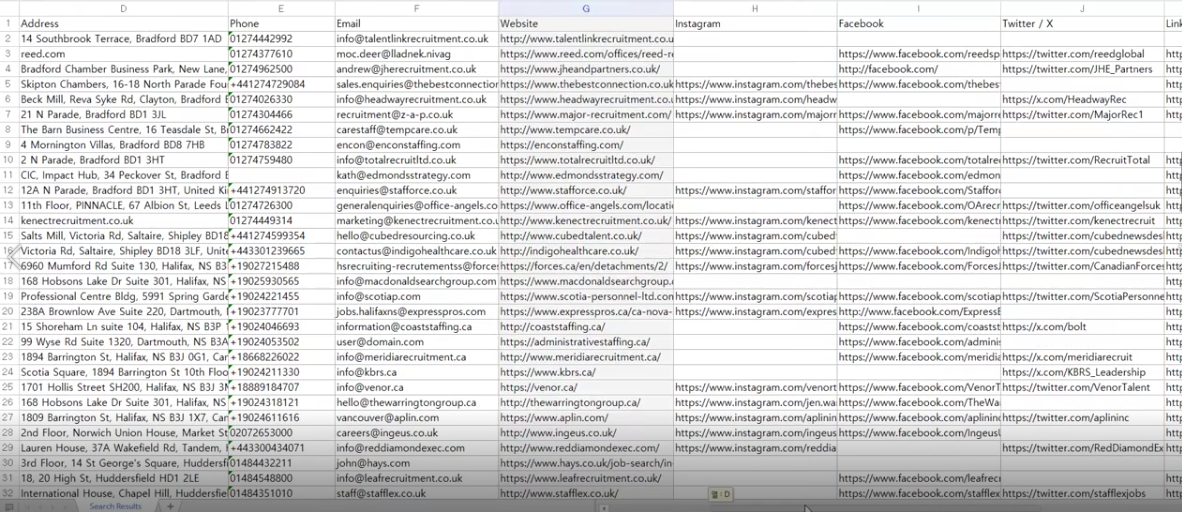
Managing leads you have vs. actively finding new ones
The biggest difference between HubSpot and LeadBoba is their customer acquisition approach. HubSpot is primarily built around inbound strategies: create marketing content, attract visitors, capture contact information, nurture leads, then convert customers.
LeadBoba focuses on outbound prospecting instead: search target businesses, discover potential customers, collect lead information, save prospects, generate personalized emails, contact businesses, then manage opportunities.
HubSpot provides excellent tools for managing leads after they enter the system, usually collected through website forms, marketing campaigns, ads, and content downloads. LeadBoba helps businesses actively find potential customers. Users can search:
- Plumbers in London
- Restaurants in Manchester
- Dentists in Birmingham
- Agencies worldwide
- Business name
- Address
- Phone number
- Website
- Google ratings
- Reviews
- Social media links
Understanding whether a prospect is worth contacting, before you reach out
One of LeadBoba\u2019s main differences is Google Maps-based lead discovery. LeadBoba helps users discover businesses by industry, location, and business category \u2014 especially useful for marketing agencies, freelancers, web developers, consultants, and local service providers.
A website agency can find businesses with outdated websites. A marketing consultant can discover companies without strong online visibility. A freelancer can create targeted prospect lists. HubSpot does not provide built-in Google Maps business discovery.
LeadBoba focuses on collecting business intelligence before outreach \u2014 company information, website details, social media presence, business location, and customer review information \u2014 to help users understand whether a prospect is worth contacting. HubSpot focuses on managing information after a contact enters the CRM.
The difference: HubSpot helps businesses manage and nurture leads they already have.
LeadBoba helps businesses find new leads and start conversations.
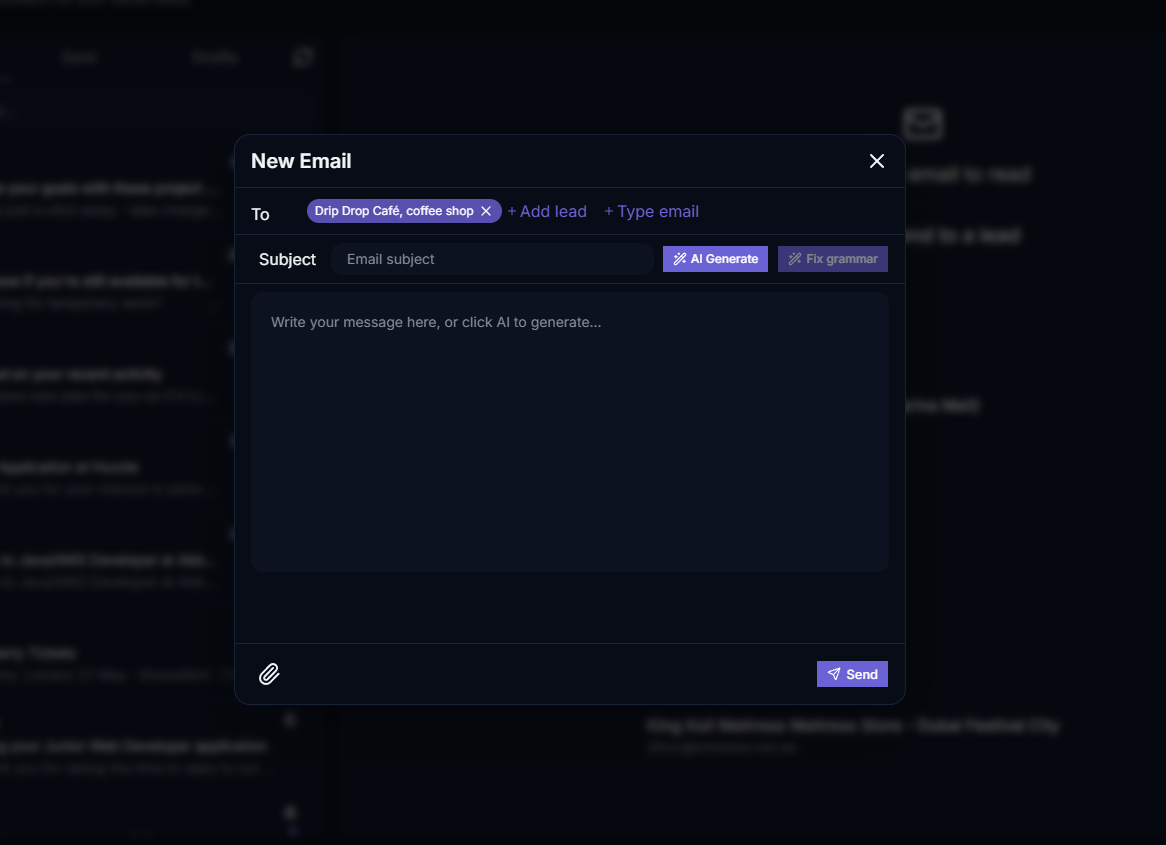
From discovered business to sent email, faster
LeadBoba includes AI-powered writing features. Users can:
- Generate cold emails
- Personalize messages
- Fix grammar
- Improve sentence quality
- Adjust email tone
This helps users quickly contact new prospects. HubSpot provides automation and AI features across its ecosystem, but its primary focus is customer management and marketing automation rather than outbound cold email generation.
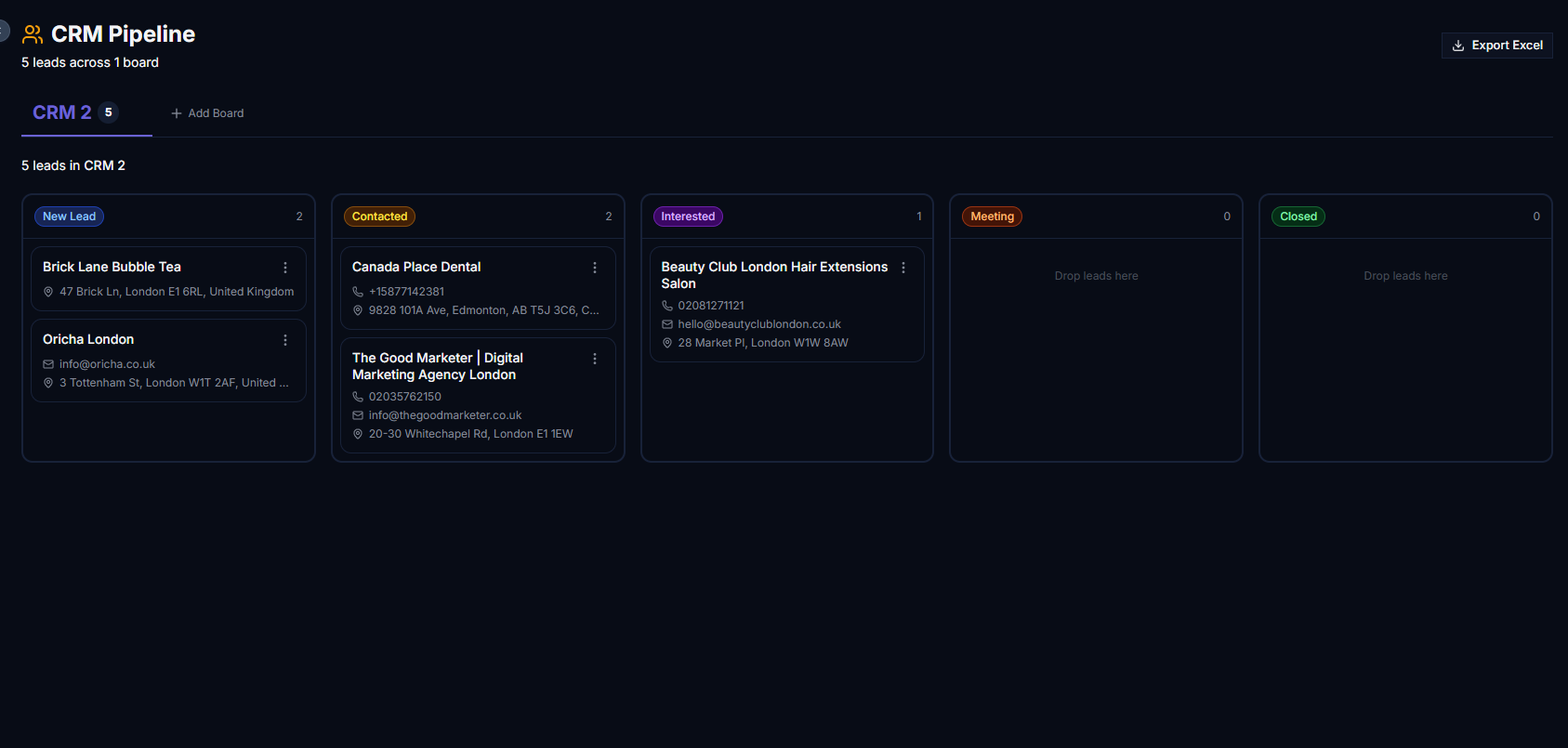
Managing the entire customer lifecycle vs. connecting discovery to outreach
HubSpot provides a mature CRM ecosystem, with strengths including contact management, deal pipelines, marketing automation, customer journeys, reporting, and team collaboration.
LeadBoba includes CRM features designed specifically for outbound lead generation. Users can:
- Save leads
- Create pipelines
- Add notes
- Track lead status
- Manage prospects
The difference: HubSpot is designed to manage the entire customer lifecycle. LeadBoba is designed to connect lead discovery with sales outreach.
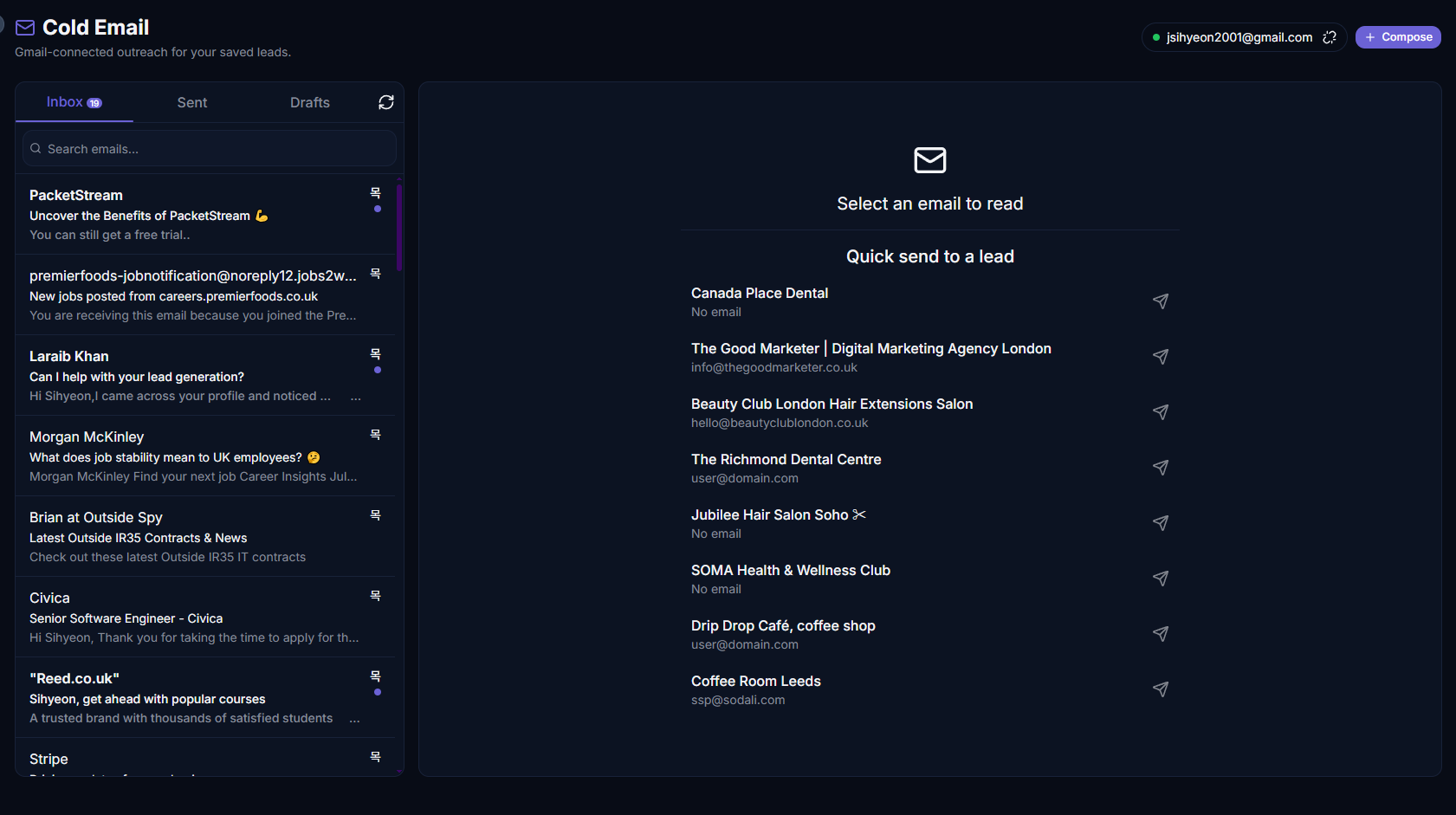
A direct path from discovery to conversation
LeadBoba connects Gmail directly with the lead generation workflow. Users can:
- Connect Gmail accounts
- Send emails from LeadBoba
- Attach files
- Keep conversations linked to leads
This creates a direct path: business discovery → lead organization → email outreach. HubSpot provides email tools mainly around CRM communication, marketing campaigns, and customer engagement.
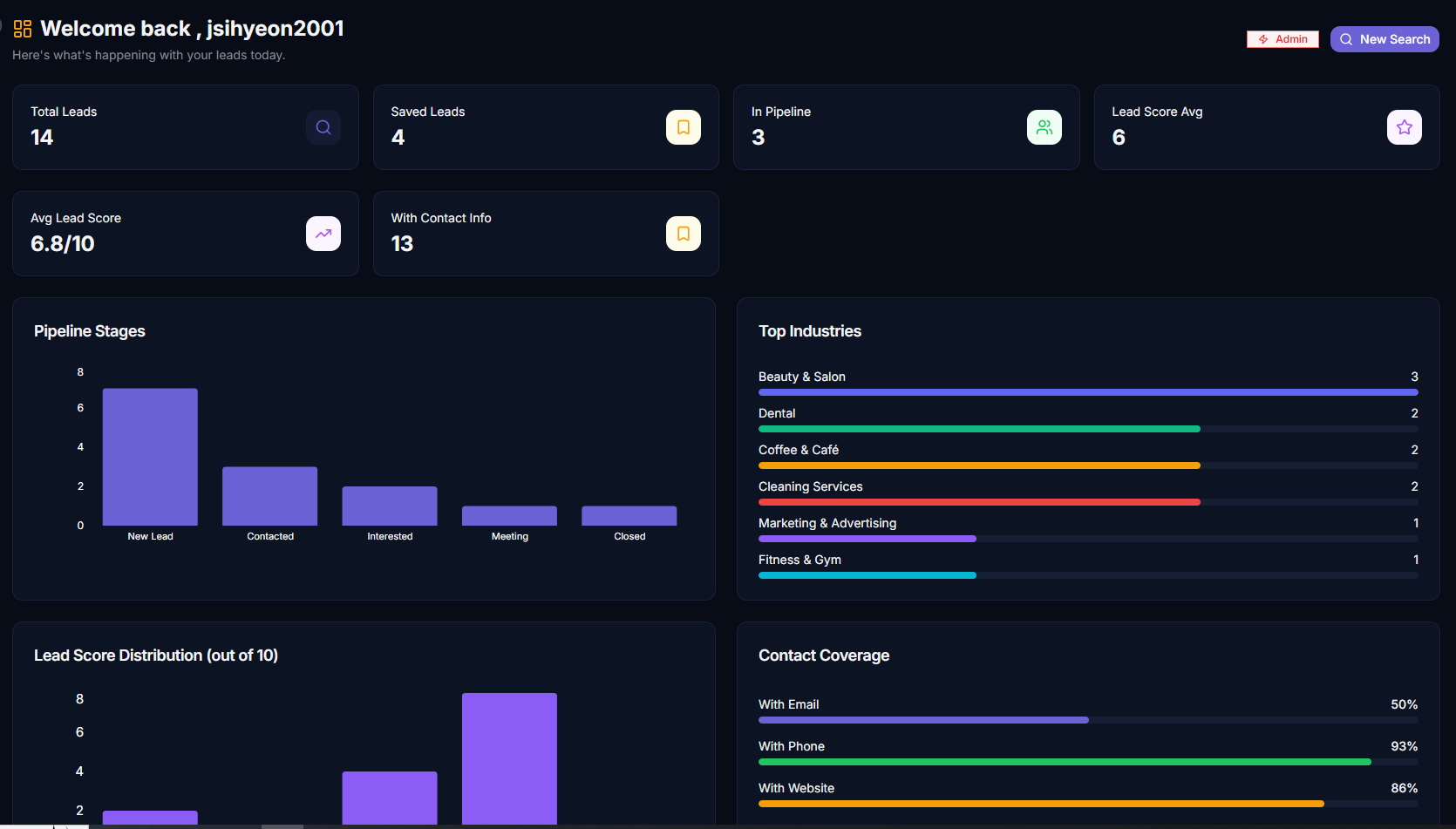
Outbound prospecting metrics vs. full customer-journey reporting
HubSpot provides detailed reporting for marketing performance, sales activities, customer journeys, and revenue tracking.
LeadBoba provides analytics focused on outbound prospecting. Users can monitor search activity, saved leads, lead scores, outreach performance, and sales activity. LeadBoba also includes a global map visualization showing saved leads by location.
Who is each platform actually built for?
HubSpot
- Companies with established marketing operations
- Businesses running inbound campaigns
- Teams needing complete CRM management
- Organizations managing large customer databases
- Marketing automation
- Customer lifecycle management
- CRM reporting
LeadBoba
- Startups
- Agencies
- Freelancers
- Consultants
- Local businesses
- SMB sales teams
- Finding new customers
- Lead generation
- AI outreach
- Prospect management
LeadBoba vs HubSpot, feature by feature
| Feature | LeadBoba | HubSpot |
|---|---|---|
| Outbound lead discovery | Limited | |
| Google Maps search | ||
| Business data extraction | ||
| Email extraction | ||
| Phone extraction | ||
| Website crawling | Limited | |
| CRM pipeline | ||
| Contact management | ||
| Marketing automation | Limited | |
| Email campaigns | Limited | |
| AI email generation | Limited | |
| AI writing improvement | Limited | |
| Gmail integration | ||
| Sales analytics | ||
| Customer journey tracking | Limited | |
| Lead map visualization |
Frequently asked questions
So, which one should you choose?
LeadBoba and HubSpot are designed for different sales strategies. HubSpot is a powerful all-in-one CRM platform for managing customers, marketing campaigns, sales processes, and business relationships.
LeadBoba provides a complete outbound B2B lead generation workflow: discover businesses, collect company information, organize prospects, generate AI-powered emails, contact customers, manage relationships, and analyze sales activity.
For companies focused on inbound marketing and customer management, HubSpot is a strong solution. For businesses that want to actively discover new prospects and turn them into sales opportunities, LeadBoba provides a focused outbound lead generation platform.
Leads Generator
Target businesses you won't find on LinkedInExtract leads from Google Maps, Apple Maps and Bing Maps
Restaurant in your area